Mon - Fri: 08:00 am to 3:00 pm

Contact Info

© Georgetowntxdentist 2023, All Rights Reserved.

Baby’s First Tooth: 5 Facts Parents Should Know
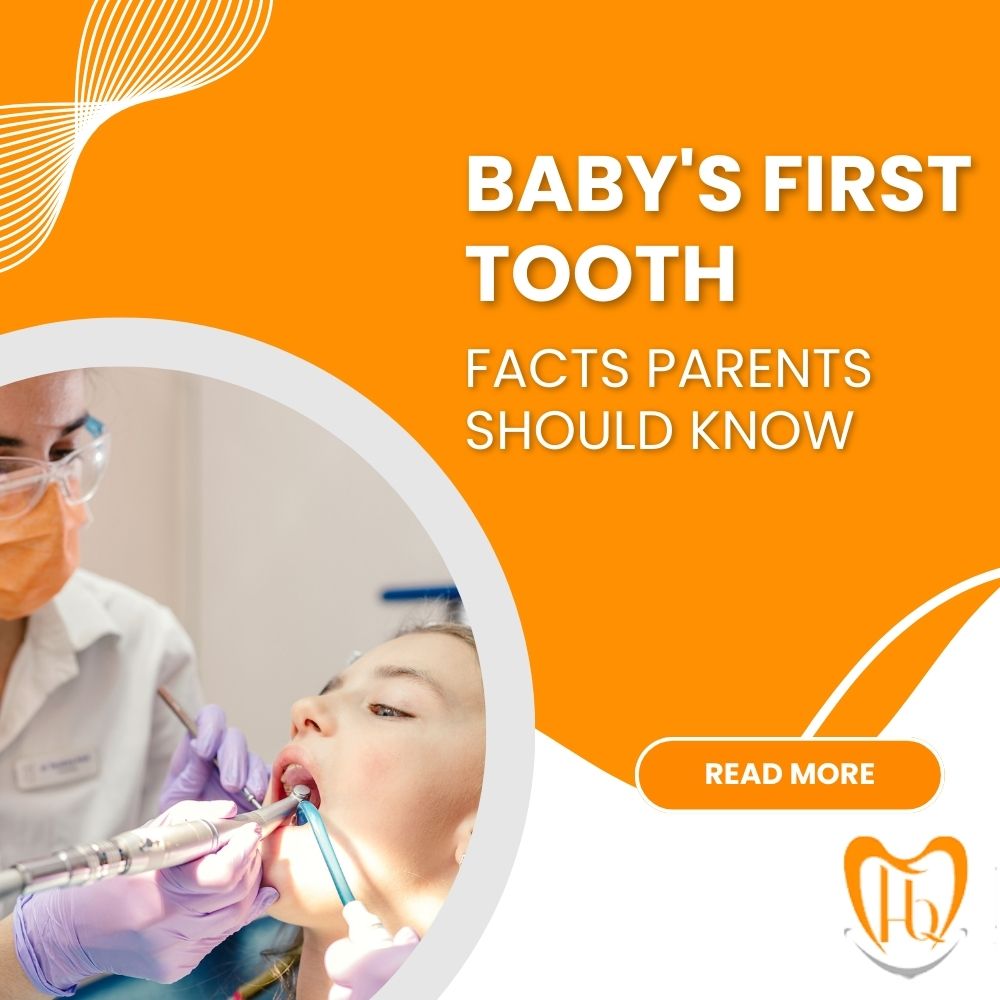
Baby First Tooth

Watching your baby first tooth appear is an exciting milestone for every parent. It can bring a few fussy days, but knowing how to care for those tiny teeth makes the process easier. Learn the best tips to keep your little one comfortable and healthy. For more info call us today at (512) 863-7561

Babies usually take a few months before they start teething. However, it is important to take care of their gums even before the tooth erupts. This will not only keep their gums healthy and clean, but it will also be a start to your baby’s oral care routine. Establishing this routine early can help them maintain good oral hygiene practices even as they start school. Therefore, it is important to start early so that it becomes a good habit that will protect your child’s smile.

Baby First Tooth: 5 Facts Parents Should Know



If your child is drooling, that means their teething process has begun. Your baby might get their first tooth between 3 and 9 months. Excessive drooling can lead to irritation; using a clean, washed, and cold, damp cloth can reduce discomfort. Teeth often appear in pairs. The first to appear are the lower front teeth. To track all your baby’s 20 teeth, you can use the eruption charts that are easily available. Read more about baby first tooth experiance.

composite fillings

1- For most babies the first tooth usually appear between 6-12 months


Teething usually starts at different ages for all babies; some don’t get their baby first tooth until they are 1 year old. However, baby first tooth the world at around 3 months, often through their mouths. At this age, their saliva production increases, and they often put their hands in their mouths. Most parents think this might be a sign of teething, but the baby first tooth usually erupts by 6 months of age.

The first kind of tooth to appear are always the lower central incisors, or in simple words, the lower front teeth. By the age of three, most children might get all of their 20 teeth, completing their primary set after the arrival of the baby first tooth.

2- By the age of 6 months, start adding fluoride to kids’ diets.


To prevent tooth decay, it is important to add fluoride, a mineral, to a child’s diet, as it helps harden tooth enamel. Fluoride is usually available in your normal tap water. Once your baby starts on solid food, you can give them a few ounces of tap water with it, either through a straw or in a sippy cup. However, it is necessary first to consult your pediatrician to determine whether your child needs a fluoride supplement and whether your tap water contains fluoride, as most bottled water does not.

3- Stop using teething tablets


It is important to avoid teething tablets as they contain gels with benzocaine and belladonna plant poison. Both belladonna and benzocaine are used as numbing agents, but are added to relieve your child’s pain. However, as per the FDA warning, they should be used with caution due to potential adverse effects. Moreover, it is also not recommended to use teething necklaces. These necklaces are dangerous as they can increase the risk of strangulation or choking when placed around the child’s neck. Also, studies support the effectiveness of these teething necklaces

4- Brush your child’s teeth twice daily


It is important to brush your child’s teeth twice a day with fluoride toothpaste, especially after the baby first tooth appears, and to brush them every night after dinner. However, use only a very small quantity, about the size of a grain of rice. It is also advised not to let your child go to sleep with a bottle feed, as this can increase the risk of tooth decay.

According to the American Academy of Pediatrics (AAP), the American Dental Association (ADA), and the American Academy of Pediatric Dentistry (AAPD), it is recommended to use only a pea-sized amount of fluoride toothpaste once your child turns 3 years old.

5- Get a dental appointment scheduled when the first tooth appears.


Soon after your baby first tooth appears, it is advised to book their first dental appointment. According to AAP and AAPD, every child should start visiting a pediatric dentist at an early age so they can develop a level of comfort by the time they are 1 year old. Visiting a pediatric dentist will ensure that your child's teeth are developing normally and that there are no gum or dental issues. The dentist also advises a proper oral care routine for your child. However, if you don’t have a pediatric dentist in your area, you can also see a general dentist.

Georgetowntxdentist

Leave A Comment