Mon - Fri: 08:00 am to 3:00 pm

Contact Info

© Georgetowntxdentist 2023, All Rights Reserved.

Pediatric Dental Care in Georgetown
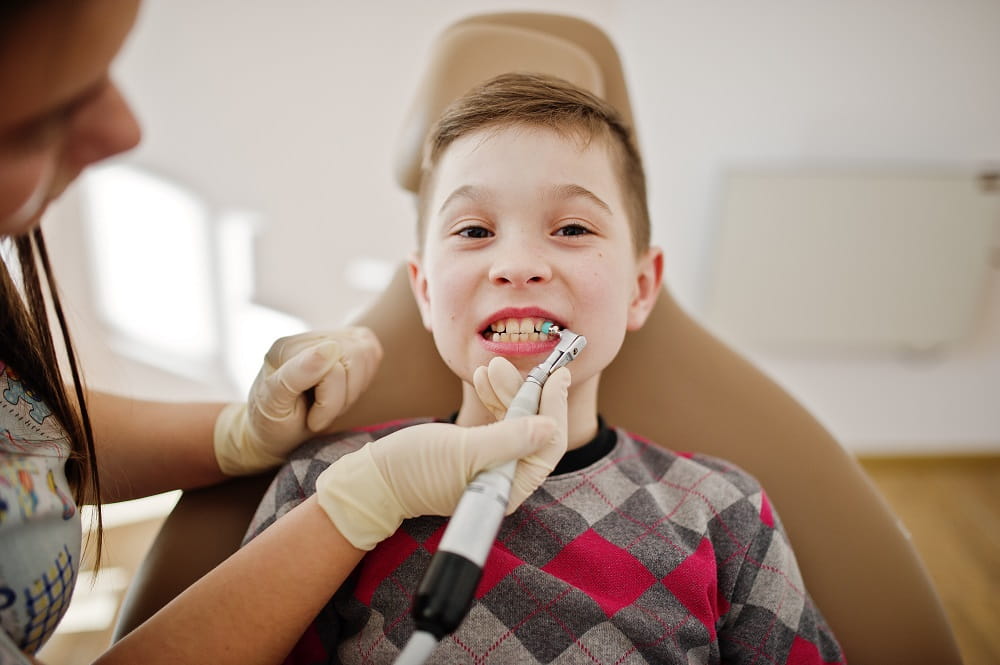
Pediatric Dental Care in Georgetown tx

Finding out your child needs a "root canal" can be a frightening experience for any parent. In the Georgetown, Sun City, and Round Rock areas (zip codes 78626, 78633, and 78628), we see many parents who are surprised that a baby tooth would even need such an pediatric dental care in georgetown. After all, the tooth is eventually going to fall out, right?

At HQ Dental Georgetown, we believe that educated parents are the best partners in a child's dental health. This guide is designed to help you understand why we save baby teeth, how we manage your child's comfort without unnecessary risks, and what you can do at home to ensure a smooth recovery.

Ari Marco

HQ Dental team have done fantastic high quality routine and cosmetic work on my teeth as well as my families. There is no better dentist in Georgetown.

Tan Nguyen

HQ Dental is among the best dental clinics I have visited. I think their secret is the true care of patients.

Anastassia Moser

Everyone who worked in my mouth was extremely gentle, yet thorough. They’ve certainly found a patient for life

What is a "Baby Root Canal"?


A baby root canal is a procedure used to save a primary (baby) tooth that has been severely damaged by decay or injury. While the tooth will eventually be replaced by a permanent one, baby teeth serve critical roles:

  • Saving Space: They act as placeholders for permanent teeth.
  • Proper Chewing: They allow your child to maintain a healthy diet.
  • Speech Development: They are essential for learning to speak clearly

When decay reaches the nerve (pulp) of a baby tooth, your child will likely experience significant pain or sensitivity. A "baby root canal" removes the infected part of the nerve to stop the pain and prevent the infection from spreading to the developing permanent tooth underneath.

Pulpotomy vs. Pulpectomy: What’s the Difference?


In pediatric dentistry georgetown, there are two main types of nerve treatments. The choice depends on how deep the infection has traveled.

1. Pulpotomy (The "Mini" Root Canal)

This is the most common procedure.

  • When to use it: When decay has reached the pulp chamber in the crown of the tooth, but the roots are still healthy.
  • The Process: We remove only the diseased part of the nerve in the top of the tooth, apply a medicated material to "heal" the remaining nerve, and then protect it.

1. Pulpectomy (The Full Root Canal)

  • When to use it: When the entire nerve, including the portion in the roots, is infected or "dead."
  • The Process: We remove the entire nerve from the crown and the roots. The roots are then filled with a special material that the body can eventually reabsorb when it's time for the tooth to fall out naturally.
Root Canal Treatment in Georgetown

Antibiotics and Dosage: What Parents Need to Know


We do not prescribe antibiotics for every baby root canal. However, they are necessary if:

  • ● There is visible swelling (an abscess) on the gums.
  • ● The child has a fever related to the tooth infection.
  • ● The infection has spread to the cheek or jaw area.

  • Pediatric vs. Adult Dosage

    The general rule of thumb: Pediatric dosages are calculated based on the child’s weight, not just their age. Never give your child a "half-dose" of an adult medication. Children’s bodies process medicine differently, and an incorrect dose can be ineffective or even toxic. Always follow the specific milligram-per-kilogram instructions provided by Dr. Pham.

Managing Pain at Home


For most children, Acetaminophen (Tylenol) or Ibuprofen (Advil/Motrin) are the best options. Ibuprofen is often superior for dental pain because it specifically targets the inflammation around the tooth.

If your child is crying or cannot sleep at night due to tooth pain, try these remedies:

  • Elevate the Head: Propping your child up with an extra pillow reduces blood pressure in the head, which can lessen the "throbbing" sensation.
  • Cold Compress: Apply a cold pack to the outside of the cheek for 15 minutes to numb the area.
  • Warm Salt Water Rinse: This can help dislodge food particles trapped in a cavity that might be pressing on the nerve.

Safety First: Why We Use Nitrous Oxide Instead of Full Sedation


At HQ Dental, your child’s life is more important than their "cooperation."

  • ● A child’s airway is small and their physiology is delicate.
  • ● The risks of full sedation or "going under" are significant.
  • ● Full sedation is the leading cause of dental-related deaths in children.

  • The Nitrous Oxide (Laughing Gas) Advantage:

    We prefer Nitrous Oxide because it is breathed in and out, and the moment the mask comes off, the effect begins to fade. It helps children feel "floaty" and relaxed while remaining awake and able to communicate with Dr. Pham throughout the procedure.


  • The Parent’s Role:

    We encourage parents to educate their children before the visit. Sometimes, a child acts out because they are seeking attention or are fearful of the unknown. By explaining that “the doctor is going to tickle your tooth and help it feel better,” you can help us avoid the need for risky sedation while also saving money on additional sedation costs.

The Stainless Steel Crown (SSC)


After a pulpotomy, the tooth becomes brittle and is at high risk of breaking. To protect it, we place a Stainless Steel Crown (SSC). These "silver hats" are the most durable way to ensure the tooth stays in place until it falls out naturally.

Important Note: SSCs are held on with dental cement, but they can occasionally come off if the child eats very sticky candy (like Starbursts or Jolly Ranchers).

  • If it comes off: Call us! The child usually won't have pain, but we need to re-cement it to protect the tooth.

Post-Op Instructions for Pulpotomy & SSC


  • 1- Numbness: Your child’s cheek and lip will be numb for 1–2 hours. Watch them closely so they don't bite or "chew" on their numb lip, which can cause a nasty sore.
  • 2- Diet: Avoid sticky, chewy, or hard candies for the life of the crown. Soft foods are best for the first 24 hours.
  • 3- Cleaning: Brush the crown just like a normal tooth. Keeping the gum line around the silver crown clean prevents "strawberry gums" (redness and irritation).
  • 4- The Spa Touch Just like our adult patients, we offer a warm towel to help your child relax after the procedure, helping them leave the office with a positive memory.

Frequently Asked Questions On Pediatric Dental Care

It’s a temporary fix! It ensures the permanent tooth comes in straight and healthy.

With local numbing and nitrous, your child should feel no pain.

Pulling a tooth early leads to crooked permanent teeth and the need for expensive braces later.

pediatric dental care in georgetown usually take 30–45 minutes.

Yes, You child can go to school once the numbness wears off.

We take our time to build trust. We call every child by name and explain everything in “kid-friendly” terms.

We work with most PPO plans and offer Cherry financing for parents.

Yes, it is one of the safest tools in medicine.

This is normal bruising from the crown placement and will fade in a few days.

Yes—it protects it! Leaving an infection in a baby tooth can actually damage the adult tooth growing underneath.

Take A Right Action For pediatric dental care in georgetown


For pediatric dental care in georgetown Call HQ Dental Georgetown at (512) 863-7561 to schedule your consultation. Let us show you how our investment in technology is an investment in your health.